Savor the Flavor – Try Our Best Recipes Today!

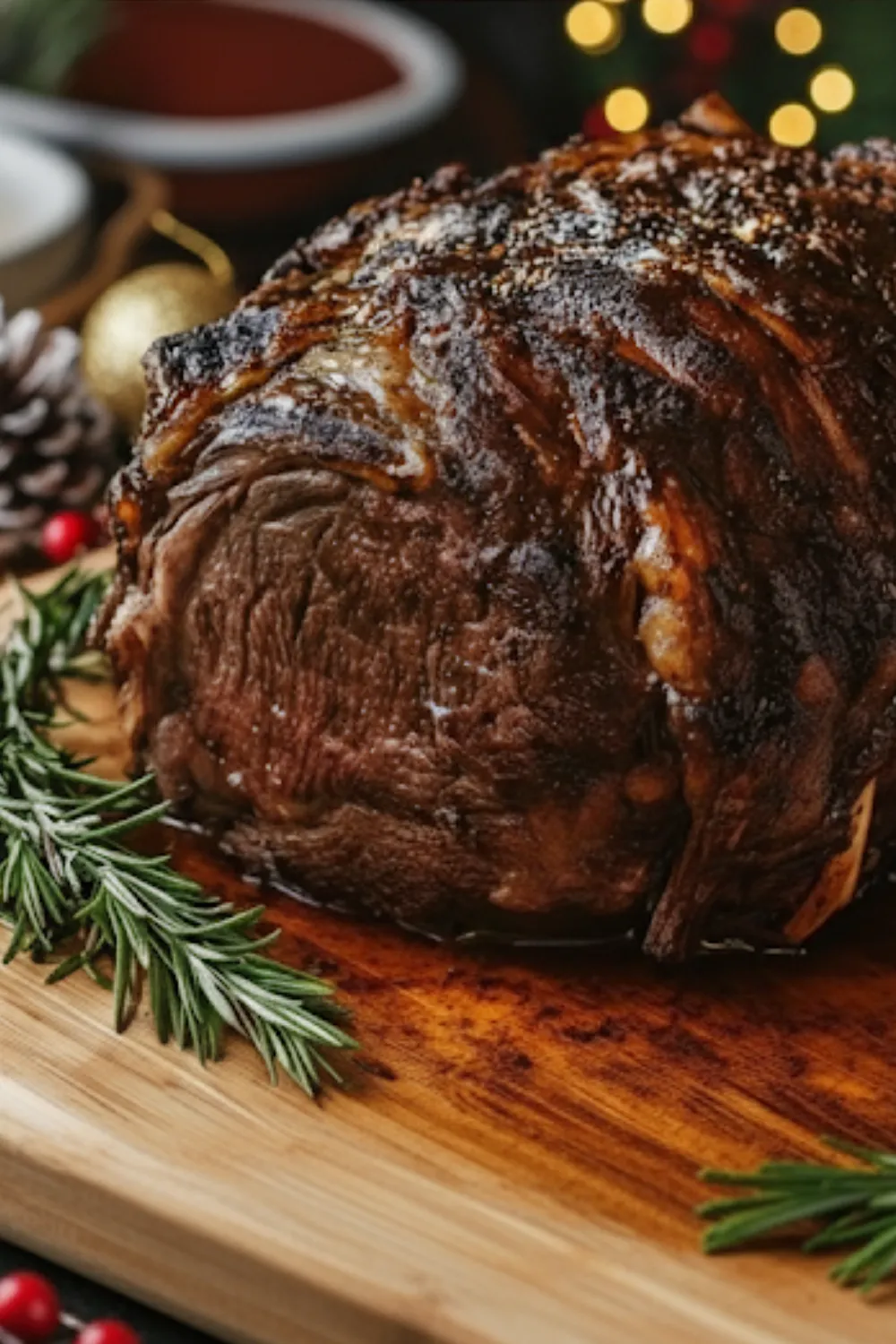
Classic Christmas Prime Rib: The Perfect Holiday Centerpiece

Nothing quite compares to a beautifully roasted Classic Christmas Prime Rib gracing your holiday table. This show-stopping centerpiece transforms any Christmas dinner into an unforgettable feast. Whether you’re hosting your first holiday gathering or you’re a seasoned entertainer, this Classic Christmas Prime Rib recipe will help you create restaurant-quality results in your own kitchen.
The secret to achieving the perfect Classic Christmas Prime Rib lies in understanding the fundamentals: selecting the right cut, proper seasoning, and mastering the cooking technique. This comprehensive guide will walk you through every step, ensuring your prime rib turns out tender, juicy, and incredibly flavorful every single time.
What Makes Prime Rib Special
Prime rib, also known as a standing rib roast, comes from the primal rib section of beef. This Classic Christmas Prime Rib recipe celebrates one of the most tender and flavorful cuts available. The marbling throughout the meat creates incredible richness, while the bone-in preparation adds extra flavor and helps maintain moisture during cooking.
During the holiday season, prime rib becomes the ultimate symbol of celebration and abundance. The impressive presentation of a perfectly cooked Classic Christmas Prime Rib creates lasting memories for family and friends gathered around your table.
Selecting Your Prime Rib Cut
Choosing the right cut is crucial for your Classic Christmas Prime Rib success. Visit a reputable butcher or high-quality grocery store meat department. Look for USDA Prime or Choice grade beef with good marbling throughout the meat.
For planning purposes, calculate approximately one pound per person if you want generous portions with leftovers. A typical Classic Christmas Prime Rib roast weighs between 4-8 pounds, perfect for holiday gatherings of 4-8 people.
Request that your butcher french the bones and tie the roast for even cooking. This professional preparation ensures your Classic Christmas Prime Rib cooks uniformly and presents beautifully when carved.
Essential Ingredients
For the Prime Rib Roast:
🥩 1 bone-in prime rib roast (4-8 pounds) 🧂 2 tablespoons kosher salt 🌶️ 1 tablespoon freshly ground black pepper 🧄 6 cloves garlic, minced 🌿 2 tablespoons fresh rosemary, chopped 🌿 2 tablespoons fresh thyme, chopped 🫒 2 tablespoons olive oil 🧈 2 tablespoons softened butter
For the Au Jus:
🍖 Pan drippings from the roast 🥩 2 cups beef broth 🍷 1/2 cup red wine 🧅 1 medium onion, quartered 🥕 2 carrots, chopped 🌿 Fresh herb sprigs
Optional Horseradish Cream:
🥛 1 cup heavy cream 🌶️ 3 tablespoons prepared horseradish 🧂 Salt and pepper to taste
Nutritional Information (per 6-ounce serving):
- Calories: 485
- Protein: 42g
- Fat: 34g
- Carbohydrates: 2g
- Sodium: 890mg
Cook Time: 2-3 hours Prep Time: 20 minutes Total Time: 3-4 hours Servings: 6-8 people
Equipment You’ll Need
Having the proper equipment ensures your Classic Christmas Prime Rib turns out perfectly. Use a heavy-duty roasting pan with a rack to promote even air circulation. A reliable meat thermometer is absolutely essential for achieving the perfect doneness.
Additionally, gather a sharp carving knife, cutting board, and kitchen twine if your roast isn’t already tied. These tools will help you achieve professional results with your Classic Christmas Prime Rib preparation and presentation.
Step-by-Step Instructions
Step 1: Prepare the Seasoning Rub
Remove your Classic Christmas Prime Rib from the refrigerator 2 hours before cooking to bring it to room temperature. This crucial step ensures even cooking throughout the roast.
In a small bowl, combine kosher salt, black pepper, minced garlic, chopped rosemary, thyme, olive oil, and softened butter. Mix thoroughly to create a fragrant paste that will become the flavor foundation of your Classic Christmas Prime Rib.
Step 2: Season the Roast
Pat the prime rib completely dry with paper towels. Generously rub the herb mixture all over the roast, working it into every crevice. Pay special attention to the fat cap, as this will render and baste the meat during cooking.
Place the seasoned Classic Christmas Prime Rib on a wire rack set inside your roasting pan. Let it rest at room temperature while your oven preheats, allowing the seasonings to penetrate the meat.
Step 3: Preheat and Initial Roasting
Preheat your oven to 450°F (230°C). This high initial temperature will create a beautiful crust on your Classic Christmas Prime Rib while sealing in the juices.
Place the roasting pan in the center of the preheated oven. Roast at 450°F for exactly 15 minutes to develop that coveted golden-brown crust.
Step 4: Reduce Temperature and Continue Cooking
After the initial 15 minutes, reduce the oven temperature to 325°F (165°C) without opening the door. Continue roasting your Classic Christmas Prime Rib until it reaches your desired internal temperature.
Use a reliable meat thermometer inserted into the thickest part of the roast, avoiding bone contact. The cooking time will vary based on your roast size and desired doneness level.
Step 5: Monitor Internal Temperature
For a Classic Christmas Prime Rib that satisfies everyone’s preferences, aim for these internal temperatures:
- Rare: 120°F (49°C)
- Medium-rare: 125°F (52°C)
- Medium: 135°F (57°C)
- Medium-well: 145°F (63°C)
Remember that the internal temperature will continue rising 5-10 degrees during the resting period, so remove your Classic Christmas Prime Rib slightly before reaching your target temperature.
Step 6: Create the Au Jus
While your roast rests, prepare a delicious au jus using the flavorful pan drippings. Place the roasting pan over medium heat on your stovetop, being careful not to burn the drippings.
Add the quartered onion and chopped carrots to the pan, cooking until softened. Deglaze with red wine, scraping up any browned bits. Add beef broth and fresh herbs, then simmer until the mixture reduces by half.
Temperature Guide
Understanding internal temperatures is crucial for Classic Christmas Prime Rib success. Use an instant-read thermometer for the most accurate results. Insert it into the center of the roast, avoiding contact with bone or fat.
Most people prefer medium-rare, which yields a warm red center with a perfectly cooked exterior. However, cooking your Classic Christmas Prime Rib to medium accommodates guests who prefer less pink meat while still maintaining tenderness.
The carryover cooking phenomenon means your roast continues cooking even after leaving the oven. Factor this into your timing, and always err on the side of slightly undercooking rather than overdoing your Classic Christmas Prime Rib.
Resting and Carving Tips
Proper resting is absolutely critical for your Classic Christmas Prime Rib success. Tent the roast loosely with aluminum foil and let it rest for 20-30 minutes. This resting period allows juices to redistribute throughout the meat.
When carving your Classic Christmas Prime Rib, use a sharp, long knife and cut against the grain. Start by removing the bones in one piece, then slice the meat into thick, even portions. Aim for slices about 3/4-inch thick for the best presentation.
Present your beautifully carved Classic Christmas Prime Rib on a warm platter, surrounded by your favorite holiday side dishes. The impressive presentation will create a memorable centerpiece for your Christmas celebration.
Side Dish Recommendations
Complement your Classic Christmas Prime Rib with traditional holiday sides that enhance rather than compete with the star of the show. Consider classic options like creamy mashed potatoes and honey-glazed carrots for a complete holiday feast.
Yorkshire pudding represents the traditional British accompaniment to prime rib, creating a perfect vehicle for soaking up the delicious au jus. Roasted Brussels sprouts with bacon add a festive green element that balances the richness of your Classic Christmas Prime Rib.
Don’t forget about wine pairings! A full-bodied Cabernet Sauvignon or rich Malbec complements the robust flavors of your Classic Christmas Prime Rib beautifully.
Storage and Leftovers
Store leftover Classic Christmas Prime Rib properly to maintain quality and safety. Refrigerate within two hours of cooking, wrapping tightly in plastic wrap or aluminum foil. Properly stored leftovers will keep for 3-4 days in the refrigerator.
For reheating, slice the leftover Classic Christmas Prime Rib and warm gently in a low oven (250°F) until heated through. Avoid overcooking, as this will dry out the meat and diminish the quality you worked so hard to achieve.
Consider transforming leftovers into delicious sandwiches, hearty soups, or elegant hash for breakfast. The versatility of Classic Christmas Prime Rib extends well beyond the initial holiday meal.
Expert Tips and Tricks
Timing Your Christmas Dinner
Plan your Classic Christmas Prime Rib cooking schedule carefully. Work backward from your desired serving time, accounting for cooking time plus the essential 30-minute resting period. This ensures everything comes together perfectly for your holiday feast.
Consider preparing side dishes that can hold warm while your Classic Christmas Prime Rib rests. This timing strategy eliminates last-minute stress and allows you to focus on carving and presentation.
Enhancing Flavor
For extra flavor depth, consider dry-brining your Classic Christmas Prime Rib 24-48 hours in advance. Simply season with salt and herbs, then refrigerate uncovered. This technique enhances flavor penetration and improves the final texture.
Some cooks swear by inserting slivers of garlic directly into the meat before seasoning. This technique infuses your Classic Christmas Prime Rib with aromatic garlic flavor throughout every bite.
Troubleshooting Common Issues
If your Classic Christmas Prime Rib seems to be cooking too quickly, tent it loosely with aluminum foil to slow down browning. Conversely, if the exterior isn’t browning adequately, increase the oven temperature by 25 degrees for the final 15-20 minutes.
Uneven cooking often results from not bringing the roast to room temperature before cooking. Always allow adequate time for this crucial step when preparing your Classic Christmas Prime Rib.
Professional Presentation Tips
Let your Classic Christmas Prime Rib rest on a cutting board with a juice groove to capture any escaping liquids. Save these flavorful juices to add back to your au jus or drizzle over individual servings.
Garnish your carved Classic Christmas Prime Rib platter with fresh herb sprigs, roasted vegetables, or colorful seasonal fruits. The visual impact enhances the dining experience and creates Instagram-worthy holiday photos.
Frequently Asked Questions
How do I know when my Classic Christmas Prime Rib is done?
The most reliable method for determining doneness is using an instant-read meat thermometer. Insert it into the thickest part of your Classic Christmas Prime Rib, avoiding bone contact. For medium-rare, look for an internal temperature of 125°F, remembering that the temperature will rise 5-10 degrees during resting.
Can I prepare Classic Christmas Prime Rib ahead of time?
Yes, you can season your Classic Christmas Prime Rib up to 48 hours in advance. Wrap it tightly and refrigerate, then bring it to room temperature 2-3 hours before cooking. However, the actual cooking should be done on serving day for the best results and food safety.
What’s the best way to reheat leftover Classic Christmas Prime Rib?
Slice your leftover Classic Christmas Prime Rib and reheat gently in a 250°F oven until warmed through. Alternatively, you can reheat slices in a covered skillet over low heat with a splash of beef broth. Avoid microwaving, as this can make the meat tough and dry.
How much Classic Christmas Prime Rib should I buy per person?
Plan for approximately 1 pound per person if you want generous portions with leftovers. For your Classic Christmas Prime Rib, this accounts for the bone weight and ensures everyone gets plenty. If you’re serving multiple courses or have lighter eaters, 3/4 pound per person may suffice.
Why is resting the Classic Christmas Prime Rib so important?
Resting allows the juices in your Classic Christmas Prime Rib to redistribute throughout the meat. Without proper resting, these flavorful juices will run out when you carve, leaving you with drier meat. The 20-30 minute rest period is crucial for achieving the perfect texture and flavor.
Can I cook Classic Christmas Prime Rib without a meat thermometer?
While a meat thermometer provides the most accurate results for your Classic Christmas Prime Rib, you can estimate doneness using the finger test or timing guidelines. However, for such an expensive and important cut of meat, investing in a reliable thermometer ensures perfect results every time.
Conclusion
Creating the perfect Classic Christmas Prime Rib represents more than just following a recipe—it’s about crafting a memorable experience that brings people together during the most wonderful time of the year. This comprehensive guide provides everything you need to succeed, from selecting the perfect cut to achieving restaurant-quality results in your own kitchen.
The techniques outlined in this Classic Christmas Prime Rib recipe have been tested and refined to ensure consistent, delicious results. By following these detailed instructions, you’ll create a show-stopping centerpiece that will have your guests talking about your Christmas dinner for years to come.
Remember that practice makes perfect, and even if your first attempt isn’t flawless, the fundamentals in this Classic Christmas Prime Rib guide will help you improve with each holiday season. The investment in quality ingredients and careful attention to technique will reward you with unforgettable meals and cherished memories.
Don’t let intimidation keep you from attempting this Classic Christmas Prime Rib recipe. With proper preparation, quality ingredients, and attention to detail, you’ll discover that creating restaurant-quality prime rib at home is entirely achievable.
Ready to create your own Classic Christmas Prime Rib masterpiece? Bookmark this recipe, share it with fellow food enthusiasts, and start planning your most impressive holiday dinner yet! Your guests will be amazed by your culinary skills, and you’ll have the satisfaction of mastering one of the most prestigious dishes in holiday cooking.